What Is Anxiety?

Anxiety is a fundamental human experience, an emotion that everyone encounters. It’s our body’s natural response to stress or perceived danger, preparing us to face challenges. However, when anxiety becomes too frequent or intense, it can interfere with daily life, signaling the need for coping strategies or professional support.

Why do I overthink so much?

Your mind is trying to keep you safe. When it senses danger, it keeps scanning and rehearsing what could go wrong, over and over. It feels like thinking, but it rarely leads to an answer. Therapy can help it learn to stand down. We can help you understand what keeps the loop going and practise new ways to respond.

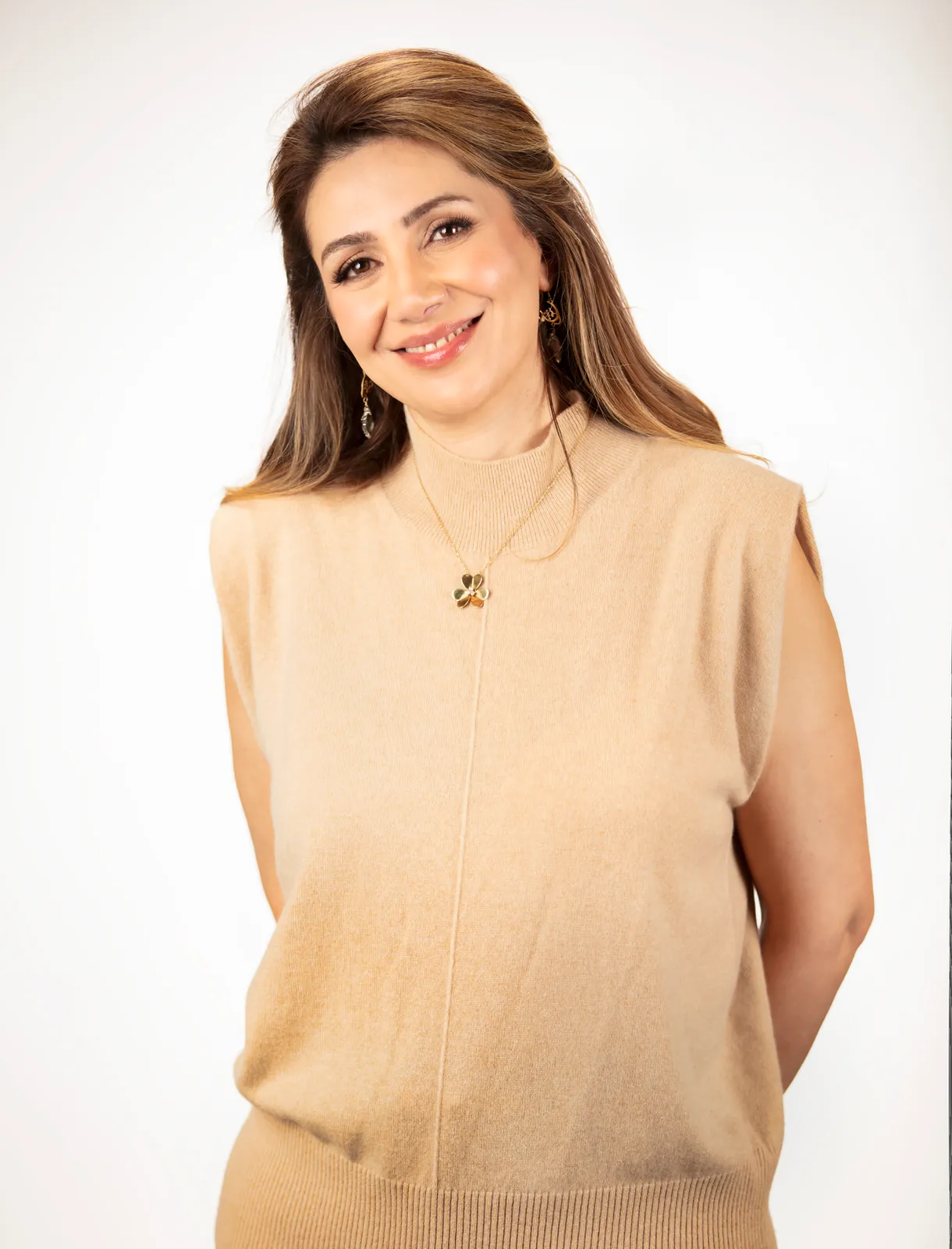
Homa Papaei, Registered Clinical Counsellor, Vancouver BC
Homa Papaei

We can help with your anxiety

Common Symptoms of Anxiety

Therapy session, Revona Counselling, Vancouver

Physical

Racing heart, sweating, muscle tension, or feeling lightheaded.

Emotional

Constant worry, fear, or a sense of dread.

Behavioral

Avoiding certain situations or becoming restless.

Cognitive

Difficulty focusing, overthinking, or persistent negative thoughts.

I am Homa Papaei

I am a Registered Clinical Counsellor with a Master in Counselling Psychology from the University of British Columbia (UBC). I strive to be a wholehearted, centered, and compassionate counsellor, drawing from over 22 years of experience, including 15 in Canada, supporting individuals to connect with themselves. I firmly believe that each person has the capacity to navigate through their negative thoughts or experiences and find meaning in their lives. My role as a counsellor is to collaboratively explore with my clients the various aspects of their lives and understand how these pieces interconnect.

A Few of Our Techniques for Anxiety Treatment

Mindfulness-Based Approaches

Mindfulness encourages staying present and observing thoughts without judgment, which can support relaxation and ease stress. Practiced regularly, it can build self-awareness and help you meet challenges with more clarity and calm.

Cognitive Behavioral Therapy (CBT)

CBT is a widely used approach for anxiety. It focuses on identifying and reshaping unhelpful thoughts and habits. It also gives you practical coping strategies you can keep using after therapy ends.

Don’t overthink it.

Book a 20 min Consultation
It’s still Free.

Frequently Asked Questions About Anxiety Therapy

Homa Papaei in a peaceful outdoor setting

How do I know if my anxiety is severe enough to seek professional help?

If your anxiety is persistent, overwhelming, and interferes with your daily activities, relationships, or work, it may be time to seek professional support. Signs include constant worry, waking up in middle of the night, difficulty falling sleep, panic attacks, and avoidance of situations that trigger anxiety.

What happens during therapy sessions for anxiety?

Therapy sessions for anxiety provide a safe and supportive space to explore your experiences and challenges. Your therapist will help you identify patterns in your thoughts and behaviors, understand your triggers, and develop practical strategies to manage anxiety.

How long does it typically take to see improvements in my anxiety symptoms?

Improvement in anxiety symptoms depends on the severity of symptom, consistency in attending sessions, practicing techniques, and the individual.Some people notice changes within a few sessions, while others may take longer to see progress. With regular effort and support, positive changes are achievable over time.

Will I need medication to manage my anxiety?

Not everyone with anxiety needs medication—many people find therapy alone to be highly effective in managing their symptoms. During our sessions. If medication becomes a consideration, we can discuss it together and explore a referral to a medical professional to ensure you have the best care for your needs.

Can therapy help with specific phobias and panic attacks?

Yes, therapy can be highly effective for specific phobias and panic attacks. There are proven techniques that therapists use to help you gradually face and manage your fears, reduce your emotional responses, and build coping skills to regain control and confidence